Bringing home a puppy is exciting, exhausting, funny, messy, and sometimes a little overwhelming.
Most new puppy owners are trying hard to do everything right. They read the books, buy the supplies, ask friends for advice, and still end up wondering why their puppy is biting everything, ignoring cues, waking up at strange hours, or suddenly forgetting something they seemed to understand yesterday.
That is normal.
Puppies are learning an enormous amount in a very short period of time. They are adjusting to a new home, new people, new routines, new expectations, and a world full of unfamiliar sights, sounds, surfaces, and experiences.
A lot of the common “mistakes” new owners make are really just mismatched expectations or missed opportunities. The good news is that most are easy to correct once you understand what your puppy actually needs.
Expecting Too Much Too Soon
One of the easiest traps to fall into is assuming that because a puppy performed a behavior once, they now understand it.
They sat when asked yesterday. They came when called in the living room. They made it through the morning without an accident.
Then the next day, everything falls apart.
Puppies do not learn in a straight line. A cue that works perfectly in a quiet room may disappear completely when another dog walks by, someone rings the doorbell, or a squirrel crosses the yard.
Instead of measuring progress by perfection, look for gradual improvement.
A young puppy needs repetition, consistency, and lots of practice in different environments before a skill becomes reliable.
Keep expectations appropriate for their age and experience. Progress may feel slow in the moment, but those small repetitions are what create dependable behavior later.
Waiting Too Long to Start Training
Many people think formal training should begin once a puppy is older.
In reality, learning begins the moment your puppy comes home, and every interaction teaches something.
Your puppy is learning whether jumping gets attention, whether pulling gets them where they want to go, whether biting starts a game, and whether calm behavior earns reinforcement.
That does not mean a very young puppy needs long, formal training sessions. Quite the opposite.
Short, positive sessions that focus on attention, communication, and simple behaviors are usually much more effective.
This is one reason early puppy classes can be so valuable.
At Paws Inn Training, our AKC S.T.A.R. Puppy Program is designed for puppies 8 to 21 weeks old and focuses on the skills that matter most during this stage. Puppies work on socialization, basic behavior and body language, foundational cues like sit, down, come, and off, as well as common puppy challenges such as biting, barking, chewing, and house training.
The program also includes confidence-building, structured play, and guidance for responsible ownership.
The goal is not to create a perfectly trained puppy in a few weeks. It is to give puppies and their people a strong foundation for everything that comes next.
Being Inconsistent About the Rules
Puppies learn patterns very quickly, which can become confusing when everyone in the household has different expectations.
Maybe one person lets the puppy jump onto the couch while another does not. One person rewards jumping with attention while another tries to discourage it. Someone allows biting during play because it seems cute, while someone else wants it to stop immediately.
From the puppy’s perspective, those rules are difficult to understand.
Consistency does not mean every person has to interact with the puppy in exactly the same way. It does mean the household should agree on basic boundaries.
Decide early what behaviors are acceptable and how you will respond when your puppy makes the wrong choice.
Clear, predictable feedback helps puppies learn much faster than constantly changing expectations.
Thinking Socialization Means Meeting Everyone
Socialization is one of the most misunderstood parts of puppy raising.
It is not simply about introducing your puppy to as many people and dogs as possible.
Good socialization is about helping a puppy experience the world safely and positively.
That includes exposure to different surfaces, sounds, people, environments, handling, movement, and everyday situations.
A puppy can learn a lot by calmly watching another dog from a comfortable distance. They do not always need to rush over and say hello.
In fact, forcing interactions can sometimes overwhelm puppies.
The goal is to help your puppy learn that new experiences are manageable, not to make every outing into a meet-and-greet.
Giving Too Much Freedom Too Early
Puppies are curious and fast.
Giving them complete access to the house before they understand the rules often leads to chewed furniture, accidents, stolen objects, and frustration for everyone.
Space management is one of the most useful tools for raising a puppy.
Baby gates, pens, crates, and supervised areas help limit opportunities for mistakes while your puppy is learning.
This is not about unnecessarily restricting your puppy. It is about creating an environment where success is easier.
As your puppy becomes more reliable, freedom can be gradually increased.
Think of it as earning access rather than receiving the entire house on day one.
Overlooking the Importance of Sleep
An overtired puppy can look remarkably similar to an under-exercised puppy.
They may become more bitey, more frantic, less responsive, and seemingly unable to settle.
The instinct is often to add more activity, but sometimes what the puppy actually needs is a nap.
Young puppies require a lot of sleep, and many are not very good at settling down when they are tired.
Creating a predictable rhythm of activity followed by quiet rest can make a noticeable difference in behavior.
A puppy who has had enough sleep is usually better able to learn, regulate excitement, and respond to guidance.
Trying to Exercise Every Problem Away
Exercise is important, but it is not the answer to every behavior challenge.
A puppy who pulls, bites, jumps, or struggles to settle does not always need a longer walk.
Sometimes they need mental stimulation, clearer structure, or more rest.
Training, sniffing, puzzle feeding, and simple problem-solving activities all challenge the brain in ways that physical activity alone does not.
This balance becomes especially important as puppies grow.
Constantly trying to exhaust a puppy can actually create a dog who becomes increasingly conditioned to needing more and more activity.
A healthier goal is teaching both engagement and relaxation.
Forgetting to Practice Handling
Many puppies are perfectly comfortable being touched until someone suddenly needs to trim their nails, clean their ears, brush their coat, or examine a paw.
Handling is a skill.
Introduce it early and make it positive.
Touch paws briefly, look inside ears, practice brushing, and gently handle different parts of the body while rewarding calm behavior.
These small sessions can make future grooming, veterinary visits, and routine care much easier.
Keep them short and low-pressure.
The goal is not to force your puppy to tolerate handling. It is to help them gradually become comfortable with it.
Not Teaching Puppies How to Be Alone
Puppies naturally want to stay close to their people.
That connection is wonderful, but it is also important to teach them that short periods of independence are safe.
If a puppy is never given opportunities to settle alone, the first unavoidable separation can feel much harder.
Let your puppy relax in a crate, pen, or safe area while you move around the house. Gradually build comfort with being apart without making departures or returns overly dramatic.
Independence is another skill that develops through practice.
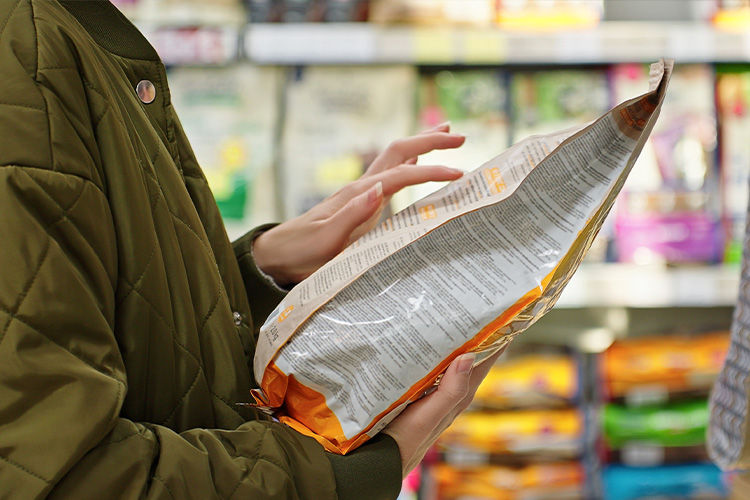
Changing Food Too Quickly
New puppy owners often want to choose the best possible food immediately.
That instinct makes sense, but sudden diet changes can be hard on a puppy’s digestive system.
If you plan to change foods, transition gradually according to the manufacturer’s guidance while monitoring appetite and stool quality.
This is also a good time to think carefully about life-stage nutrition.
Growing puppies have specific nutritional requirements, so look for foods formulated to provide complete and balanced nutrition for growth.
There are many good options, and the right choice depends on your puppy, your feeding goals, and your household routine.
If you are unsure where to start, the team at Paws Inn Pet Essentials can help you compare puppy foods, treats, chews, and feeding formats without making the process feel overwhelming.
Expecting Training to Be Finished
One of the biggest surprises for new puppy owners is realizing that training does not end once a puppy understands the basics.
Skills need practice as the environment changes and the puppy matures.
Adolescence can bring a new wave of distraction, independence, and boundary-testing. Behaviors that seemed solid may temporarily become less reliable.
That does not mean the early work failed.
It means your dog is entering another stage of development.
The foundations you build during puppyhood make those later stages much easier to navigate.
Graduates of the Paws Inn AKC S.T.A.R. Puppy Program can move directly into Level 1 Training, even if they are still under six months old. That progression allows families to continue building focus, manners, loose leash skills, and everyday reliability as their puppy grows.
Give Yourself and Your Puppy Some Grace
Raising a puppy is not about getting everything right the first time.
There will be accidents. There will be chewed objects you thought were out of reach. There will be days when your puppy seems brilliant and days when they appear to have forgotten absolutely everything.
That is part of the process.
Focus on creating clear routines, rewarding the behaviors you want to see again, providing appropriate outlets for puppy energy, and giving your puppy time to learn.
The goal is not a perfect puppy.
It is a confident dog who understands how to live successfully with you.
If you are feeling unsure about training, nutrition, enrichment, grooming, or everyday puppy care, stop by Paws Inn Pet Essentials in Waconia. Our team is always happy to help you find practical solutions and point you toward the support that makes sense for you and your puppy.
Frequently Asked Questions
When should I start training my puppy?
Training begins as soon as your puppy comes home. Very young puppies benefit from short, positive sessions focused on attention, simple cues, manners, handling, and confidence-building.
When can my puppy start a group training class?
Paws Inn’s AKC S.T.A.R. Puppy Program is designed for puppies between 8 and 21 weeks old. The right timing for any class also depends on its requirements and your puppy’s individual needs.
How long should puppy training sessions be?
Short sessions usually work best. A few focused minutes several times throughout the day can be more effective than one long session when a puppy becomes tired or distracted.
How much should my puppy sleep?
Young puppies need a significant amount of sleep throughout the day. Individual needs vary, but frequent naps are normal and important for learning, growth, and behavior.
Why does my puppy get wild at night?
Evening bursts of biting, running, and frantic behavior can sometimes happen when puppies are overtired or overstimulated. A calmer routine and adequate naps during the day may help.
What is the best way to socialize a puppy?
Focus on safe, positive exposure to different people, environments, sounds, surfaces, handling, and appropriate dogs. Socialization should build confidence rather than force interaction.
Should I let my puppy meet every dog we see?
No. Puppies do not need to greet every dog. Learning to calmly observe and move past other dogs is an important social skill too.
How do I know if my puppy needs more exercise or more sleep?
Look at the overall pattern. A puppy who becomes increasingly frantic, bitey, and unable to focus may be overtired rather than under-exercised. Balanced routines should include physical activity, mental stimulation, and plenty of rest.