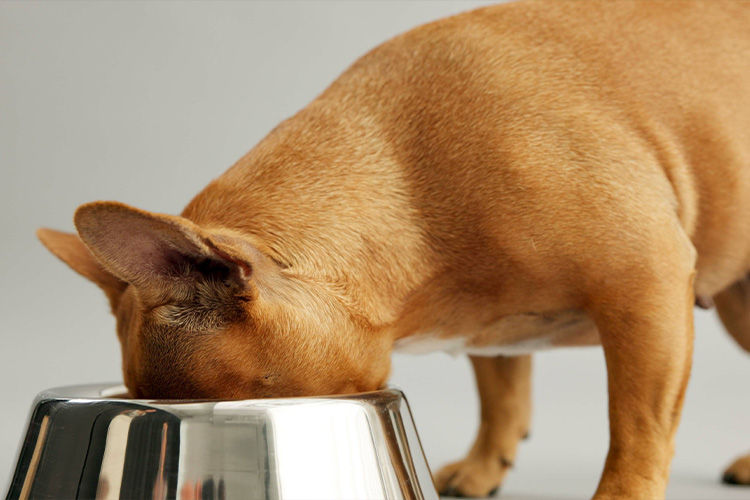
A scoop of kibble, a spoonful of canned food, and perhaps something from the refrigerator: many pet meals already include more than one format.
That naturally raises questions. Is mixing foods okay? Does everything need to come from the same brand? How much should you feed if the instructions on each package assume that food is the whole meal?
Many healthy dogs and cats can eat a combination of appropriate foods. What matters is each product's nutritional role, total calories, your pet's individual needs, and safe handling. Raw foods also introduce infection risks that mixing doesn't eliminate.
Start with those questions, and a mixed feeding routine becomes much easier to evaluate.
Food Format and Nutritional Purpose Are Different Things
“Wet,” “dry,” “fresh,” and “raw” describe aspects of the food. They do not, by themselves, tell you whether it can serve as a complete diet.
A canned product may be a complete meal or a supplemental topper. A refrigerated recipe may be nutritionally complete or intended to accompany another food. A freeze-dried product may be cooked or raw, and it may be either a full diet or a treat.
Read the nutritional adequacy statement rather than deciding based on appearance or the product name.
For ordinary long-term feeding, look for complete and balanced nutrition appropriate for your pet's species and life stage.
Our guide, How to Read a Pet Food Label Without Feeling Overwhelmed, walks through other details worth checking.
Why Some Families Combine Foods
Mixed feeding can serve a practical purpose.
A household may appreciate the convenience of dry food while using canned food for variety. Another may want to include nutritionally complete fresh cooked food without making it the entire diet.
Wet foods contain more moisture than typical kibble, so they can contribute water through meals. Your pet should still have access to fresh drinking water.
Preferences matter, too. Some pets enjoy a combination; others prefer foods offered separately. One cat may like a familiar dry recipe at one meal and canned food at another, while another refuses a mixed texture.
You don't need to combine formats if your pet is doing well on one appropriate food. A more elaborate bowl is not automatically a better feeding plan.
Build the Meal Around Nutritional Completeness
If two foods are complete and balanced for the same species and life stage, they can often make up meaningful portions of a healthy pet's feeding plan. You still need to account for calories and any individual restrictions.
The situation changes when one component is supplemental.
Plain meat, broth, many toppers, and some specialty foods do not provide all the nutrients needed as a sole diet. Combining several of these products does not reliably provide complete nutrition.
Keep extras within an appropriate allowance. For many healthy pets, a commonly used limit is no more than 10% of daily calories from treats and other nutritionally incomplete foods combined. Some pets need stricter limits.
This is a ceiling, not a target. It also doesn't mean any ingredient is suitable just because the portion is small.
Growing puppies and kittens, pregnant or nursing animals, and pets with medical conditions need particular care when a feeding plan changes. Confirm the suitability of every substantial component.
Adjust Portions When You Combine Foods
Feeding guides usually assume that a food will be served on its own. When you combine foods, their portions need to add up to one daily allowance.
Adding wet food to your pet’s usual portion of kibble increases the calories in the meal. Reduce the kibble to make room for the wet food so you avoid feeding the full daily amount of both.
If your pet is maintaining a healthy weight, use their current daily calorie intake as a starting point. Divide that total between the foods you serve, leaving room for treats, chews, and other extras. Include any calories from supplements and foods used to give medication.
A Simple Example
For this example, imagine a healthy adult dog who needs 600 calories a day.
For illustration, one cup of a particular dry food supplies 400 calories and one can of a particular wet food supplies 200 calories. Together, those amounts provide 600 calories for the day.
Adding that can on top of 600 calories of dry food would instead provide 800 calories before any treats.
These are example products and amounts, not a recommendation for a particular dog. Check your actual labels, divide the daily total into your usual meals, and leave room for any planned extras.
Volume Does Not Tell the Whole Story
A cup of one recipe may contain far more calories than a cup of another. A spoonful of an oily or dried product may also contribute more than its size suggests.
When labels provide calories per gram, a kitchen scale can make portions easier to repeat. If the label is unclear, contact the manufacturer for the calorie information.
Make a written plan that another person in the household can follow without guessing.
Introduce One Change at a Time
Avoid changing the base food, adding several toppers, and introducing new treats on the same day.
Choose one addition or substitution and introduce it gradually, following the product’s directions. Many food changes take at least a week, while sensitive pets may need longer.
Keep notes about amounts, appetite, stool, vomiting, and other changes. A record is more useful than trying to remember which bowl contained which combination.
If there is persistent vomiting, diarrhea, pain, lethargy, or a significant appetite change, contact your veterinarian. Do not keep adding products to try to correct an unexplained problem.
For more context on digestive health, see Why Gut Health Matters for Your Pet's Overall Wellness.
Cats may respond poorly to an unfamiliar food mixed through a familiar one. Offering a small separate portion can let them investigate without making their usual meal unacceptable. Do not try to force acceptance by withholding food.
Fresh and Raw Need Clearer Definitions
“Fresh” can describe a gently cooked commercial food, a homemade meal, or another refrigerated product. Ask what the food actually is and how it is intended to be used.
A cooked fresh product is not nutritionally complete simply because the ingredients look familiar. Likewise, a homemade combination of meat, vegetables, and a supplement needs a properly formulated recipe rather than an improvised balance.
If you want home-prepared food to provide a significant part of the diet, consult a board-certified veterinary nutritionist.
Mixing Does Not Remove Raw Food Risks
Raw animal-based pet foods can carry pathogens that affect pets and people. Those risks can extend to hands, bowls, counters, and contact with the animal.
Adding kibble or canned food does not make a raw product pathogen-free. Freezing or freeze-drying should not be assumed to sterilize it, either.
The FDA advises against feeding raw pet food because of the infection risk. Review its pet food handling guidance, especially if anyone in your household is pregnant, very young, older, or immunocompromised.
A nutritionally complete cooked option may offer a way to include a different texture without the same exposure to uncooked animal ingredients.
Store and Serve According to the Most Perishable Component
A mixed bowl needs the handling appropriate to everything in it.
Once wet, fresh, or rehydrated food is added, do not manage the mixture like dry kibble left in a bowl all day. Follow the product's serving and disposal instructions, and promptly refrigerate unused perishable food as directed.
Wash bowls and utensils after meals. Keep hands and preparation surfaces clean, and avoid using the feeding bowl as a scoop in the food bag.
Keep packaging or a photograph of the product name, lot information, and feeding instructions. Those details are useful if there is a recall or a question about the recipe.
Make sure every caregiver knows what goes in the bowl and how leftovers should be handled.
Check Before Mixing a Therapeutic Diet
A therapeutic diet may be designed around specific nutrient levels or a controlled ingredient list.
Adding another food can interfere with that purpose. An elimination diet trial, for example, may require strict control over everything the pet eats.
Do not assume that a small topper, a different flavor, or an over-the-counter food with a similar description is compatible. Ask your veterinarian exactly which additions are allowed.
Tufts' guidance on therapeutic diets explains why these details matter.
Choose a Combination You Can Maintain
The best mixed feeding plan should fit your pet and your household.
Can you store the foods properly? Can everyone measure the portions? Is the cost sustainable? Does your pet eat comfortably and maintain an appropriate body condition?
At Paws Inn Pet Essentials in Waconia, bring us the names of the foods you currently use and what you hope to change. We can help compare labels, calorie information, feeding formats, and storage requirements. Any combination should also meet your pet’s medical or therapeutic-diet requirements.
You do not need every category in the bowl. A thoughtful combination with a clear purpose is easier to manage and evaluate.
Frequently Asked Questions
Can I mix wet and dry pet food in the same bowl?
Many healthy pets can eat an appropriate combination. Confirm nutritional suitability, calculate the total portions, and handle the mixture according to the perishable component's directions.
Do both foods have to be the same brand?
Brand alone does not determine compatibility. Nutritional adequacy, species, life stage, calories, and your pet's health requirements matter more. Ask for help if either product serves a special dietary purpose.
Can I mix raw food with kibble?
Mixing does not eliminate raw food's pathogen risks. Safety, nutritional adequacy, and your pet’s health needs still matter, even when raw food makes up only a small part of the meal.
Can I feed wet food in the morning and dry food at night?
For many healthy pets, yes. The foods do not need to share a bowl, but their combined daily portions still need to provide appropriate nutrition and calories.
Does adding a topper mean I should feed less base food?
The topper's calories need to be included in the daily total. How much base food to adjust depends on the topper, its nutritional role, and the overall plan. Avoid replacing a large share of complete food with an incomplete addition.