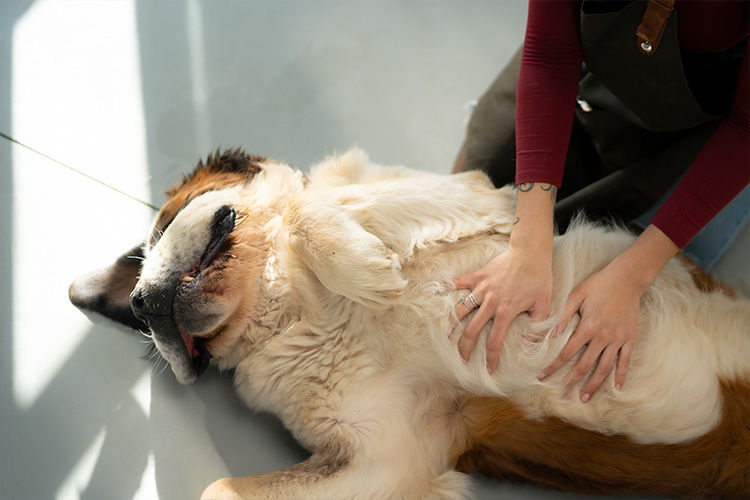
Older pets still enjoy many of the things they have always loved: a familiar walk, a favorite window, a good game, or time beside their people. As their needs change, a few adjustments can help them keep enjoying those parts of daily life.
Your dog may prefer a shorter route with more time to sniff. Your cat may still want the sunny windowsill but need an easier way to reach it. Playtime may become quieter, with fewer jumps and more breaks.
Helping a senior pet stay active and comfortable starts with noticing what they enjoy and what has become difficult. From there, you can adapt their routine to suit the pet they are today.
Notice Changes in Your Pet’s Usual Habits
Pay attention to the small changes in your pet's routine. A dog who used to lead the walk may start hanging back. A cat may stop using a favorite chair or hesitate before jumping onto the bed.
Look for patterns. Does your dog seem stiff after a longer outing? Does your cat struggle with one particular jump? Noting when and where a problem occurs can help you make useful changes at home. A short video can also capture movement that is hard to describe.
Discuss new or persistent stiffness, limping, appetite changes, or unusual behavior with your veterinarian. As your pet gets older, their abilities may change, but you shouldn't dismiss discomfort as an unavoidable part of aging.
Keep Movement Regular and Manageable
Many older pets still enjoy being active. They may simply need a gentler pace, shorter sessions, or more time to recover.
Build around activities your pet can do comfortably. If they have a medical condition or an existing exercise plan, stay within those limits. Increase activity gradually, and pay attention to how they feel during the outing and later in the day.
Make Walks Easier to Enjoy
Choose a familiar route with good footing and opportunities to stop and sniff. Several short outings may work better than one long walk.
Let them set a comfortable pace. Time spent investigating a tree or following a scent can be just as enjoyable as covering more ground.
If your dog starts limping, lagging behind, or showing obvious fatigue, end the outing. Increased stiffness afterward suggests the activity may need adjustment.
In Waconia, weather matters too. Avoid icy routes, choose dry surfaces when possible, and adjust outdoor time to the conditions. Indoor sniffing games or a brief training session can keep the day interesting when you need to shorten a walk.
Adjust Play for Older Cats
Keep toys within comfortable reach. Try moving a wand slowly along the floor, dragging a toy beside a resting spot, or offering something your cat can bat without standing up.
Give them time to watch and decide whether to join in. A few reaches or a short chase may be enough for one session.
Choose games that suit their current abilities. If your cat is less comfortable jumping, bring the play down to their level.
Make the House Easier to Move Through
Watch your pet’s everyday routes: from bed to water bowl, from the living room to the back door, or from a sleeping spot to the litter box.
Notice where they hesitate, slip, or take a detour. Those are good places to start making changes.
Improve Footing and Access
Place secure non-slip mats or runners across slippery floors. Check that the edges lie flat and the surface stays in place when your pet turns or stands up.
Stable steps or a ramp may make a favorite resting spot easier to reach. Choose a gradual incline with a surface your pet can grip, and introduce it slowly with supervision.
For cats, consider a lower perch or an intermediate step to a favorite window. Make sure the route down is comfortable too. Your cat should be able to leave the spot without a difficult jump.
Bring Everyday Resources Within Reach
Keep water and comfortable resting places near the areas your pet uses most. An additional bowl on the main floor can spare them a trip up or down the stairs.
For cats, a low-entry litter box may be easier to use. Place it somewhere quiet and accessible, and keep the route clear. New accidents or changes in litter-box habits can also signal a health problem, so do not assume access is the only issue.
Keep furniture placement consistent where possible. Clear walkways and gentle lighting can help pets whose vision has changed find their way around familiar spaces.
Make Rest Comfortable
Choose bedding that lets your pet stretch and change position. Watch how easily they lie down and get up; a very soft bed may be difficult to climb out of.
Place the bed away from drafts and busy walkways. Washable covers make it easier to keep the area clean and comfortable.
Take care with added heat. A pet with limited mobility may struggle to move away from a heating pad or other hot surface. Avoid unattended heating pads and follow the directions for any warming product.
Give your pet a quiet place where children and other animals can't disturb them while they rest. They should be able to sleep without being repeatedly approached or invited to play.
Give Them Something to Enjoy Every Day
Mental activity can fit into a quieter routine.
Your dog might enjoy finding a few pieces of their measured food on a non-slip mat. Your cat might like a simple food puzzle, a comfortable window perch, or a short play session beside you.
Start with something easy. A puzzle that requires awkward reaching, hard chewing, or prolonged standing may be frustrating. Place it where your pet can use it comfortably and help them get started if needed.
Familiar training games can work well too. Try a brief nose target or rewarding your dog for looking toward you when you say their name. Skip repeated movements they find difficult.
Keep sessions short and allow plenty of breaks. Count food rewards as part of the daily feeding amount.
Adjust Feeding to Their Current Needs
Senior pets can have very different nutritional needs. A less active pet may need smaller portions, while another may struggle to maintain weight or muscle. Medical conditions can also affect food choices.
Watch weight trends, appetite, and how comfortably your pet eats. Keep portions consistent enough to notice a change, and include treats, chews, toppers, and foods used to give medication in the daily total.
You don't need to replace a well-tolerated food just because the package doesn't say “senior.” Likewise, age alone is not a reason to reduce protein or start adding supplements.
Difficulty chewing, an unexplained weight change, or a new loss of appetite needs attention. Softer food or a more appealing meal may help with eating, but an underlying dental or medical problem still needs to be addressed.
Keep Grooming and Nail Care Comfortable
Short, gentle grooming sessions can help your pet stay comfortable while letting you notice changes.
Use a brush suited to their coat and be gentle around sensitive areas. Older cats may need help with spots they can no longer reach. However, a sudden decline in grooming can signal that something else has changed.
Check nails regularly, including dewclaws. Less activity does not stop them from growing. If trimming is difficult or uncomfortable, get help rather than forcing the session.
During grooming, notice new lumps, redness, discharge, unusual odors, or sore areas. Make a note of anything new or changing so it can be assessed.
Keep Daily Life Familiar
Predictable meals, outings, and rest can make the day easier to navigate. If your pet’s hearing or vision has changed, approach where they can notice you and give them time to respond before touching them.
Watch for new nighttime restlessness, confusion, vocalizing, or difficulty finding their way around. These changes can have several causes and deserve a health assessment.
You do not need to change the whole routine at once. Start with the difficulty your pet encounters most often, make one useful adjustment, and see how they respond.
At Paws Inn Pet Essentials in Waconia, we can help you compare bedding, enrichment toys, feeding supplies, and other everyday products with your older pet’s comfort in mind. Tell us what your pet enjoys, what has become harder, and what your home is like so we can help you find practical options.
A few thoughtful changes can keep favorite activities and familiar comforts part of your pet’s day.
Frequently Asked Questions
How much exercise does a senior dog need?
There is no single amount for every older dog. Start with activity they can comfortably manage, allow breaks, and watch how they feel afterward. Shorter, more frequent outings may suit them better than one long walk.
Should I stop playing with my senior cat?
No. Offer gentle play that fits their abilities and interests. Keep toys within easy reach and let your cat choose whether to participate.
What changes help an older pet at home?
Start with secure footing, comfortable bedding, accessible water bowls, and easier routes to favorite spaces. Choose changes based on where your pet has difficulty.
Does every senior pet need joint supplements?
No. A supplement should address a specific need and have evidence to support its use. Check with your veterinarian before adding one if your pet takes medication or has a medical condition.
Is stiffness just a normal part of getting older?
Stiffness can signal pain or a mobility problem. It deserves attention, particularly if it is new, persistent, or affecting activities your pet used to enjoy.